
Can we trust what a machine made?
Generative models now make pictures, voices and decisions that pass for ours. My research keeps track of what they made.
Mark. Watermarks hidden in generated images, audio-visual media and the trajectories of LLM agents, built to survive attempts to erase them.
Break. Attacks on those watermarks, to find where they fail before anyone else does.
Detect. What forensics can and cannot recover, and how to tell the genuine from the forged.
Around it. The reliability and privacy of LLM agents, robust graph learning, and efficient diffusion sampling and architecture search.
Advised by Dr Jiaojiao Jiang in the School of Computer Science and Engineering.

Selected work
-
SLICE
A watermark kept in compartments of the semantic latent, so it outlives regeneration.
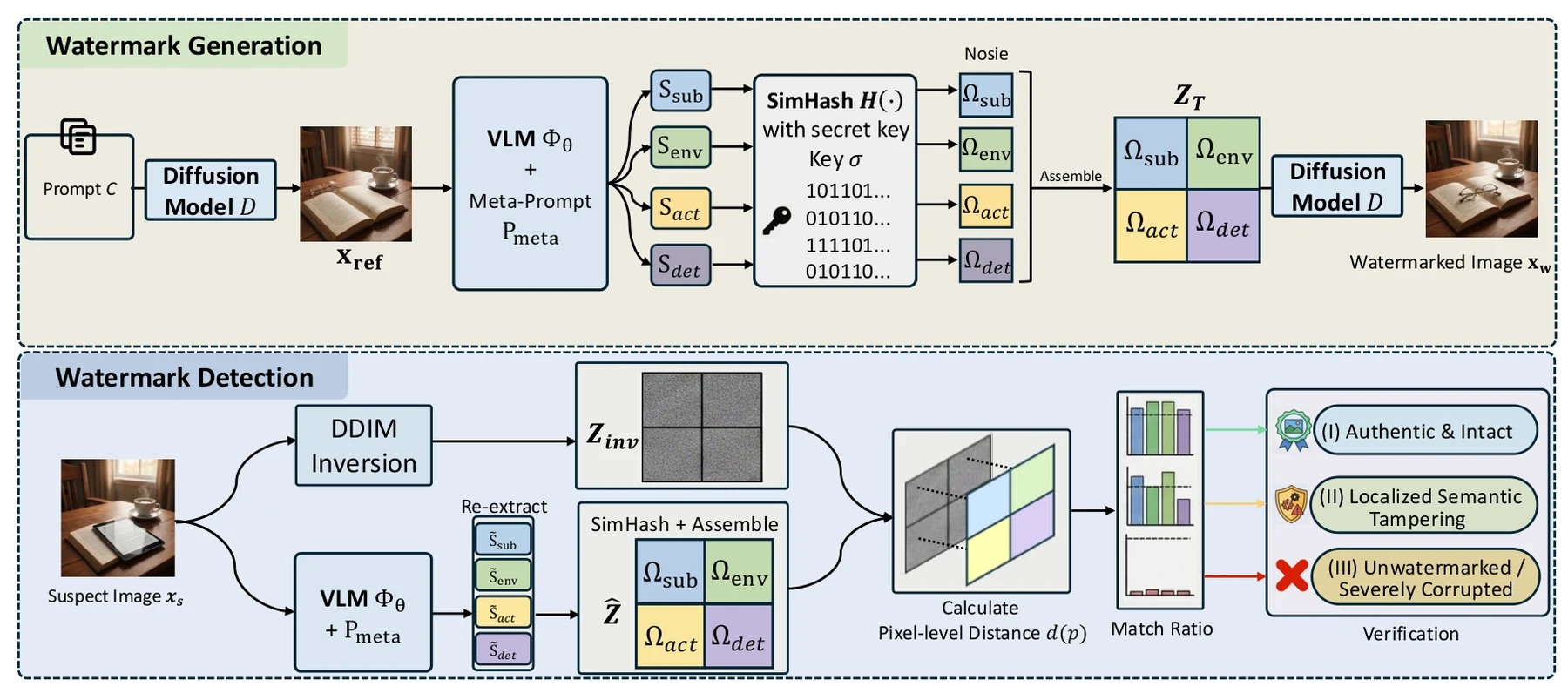
Figure 1 of the paper. The overall framework of SLICE. -
CSI
An LLM rewrites what a picture means, coherently, and the semantic watermark lets go.
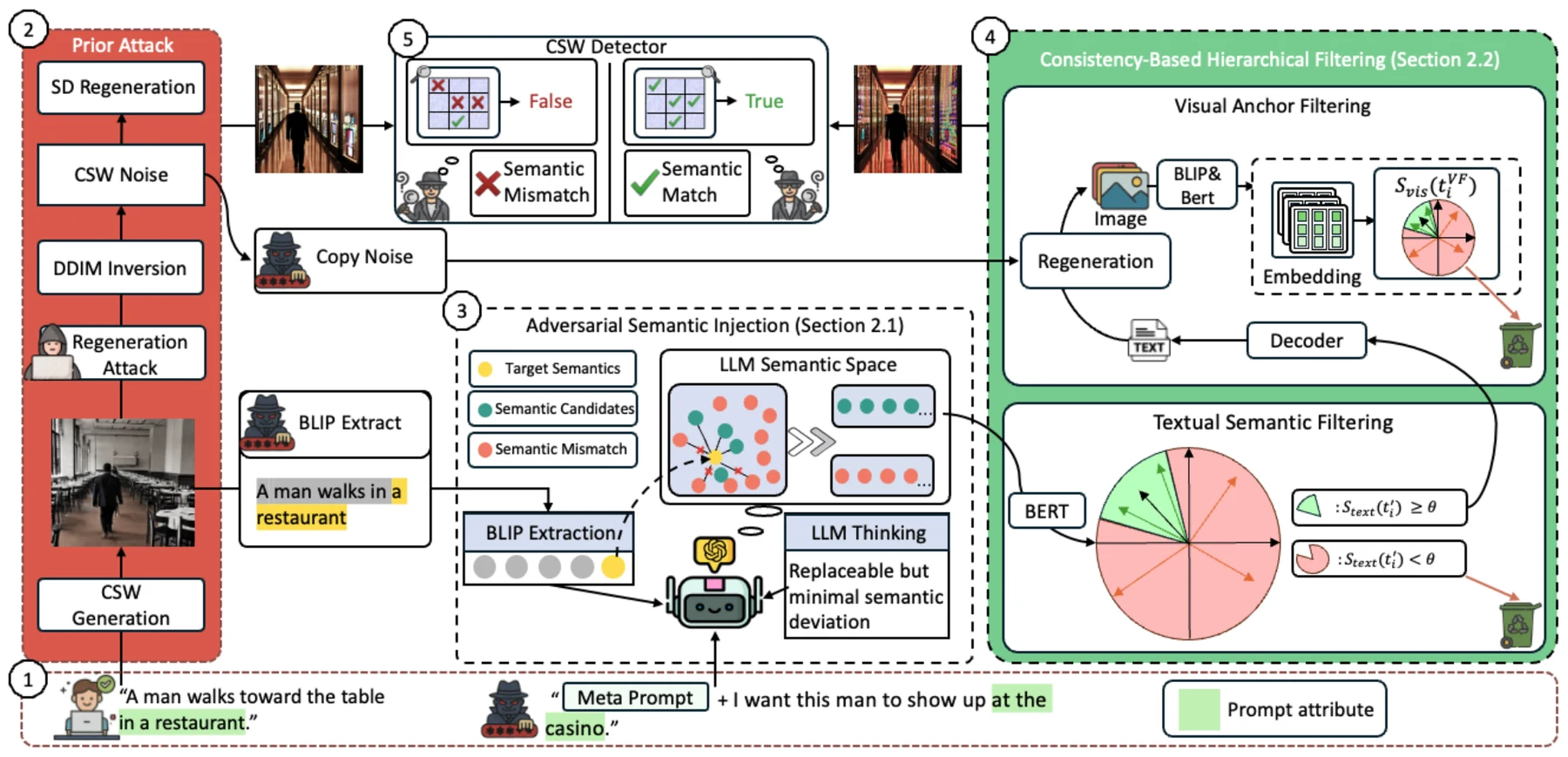
Figure 1 of the paper. The overall workflow of the proposed Coherence-Preserving Semantic Injection (CSI) attack. -
SHIFT
A training-free deflection of the denoising path that removes diffusion watermarks.
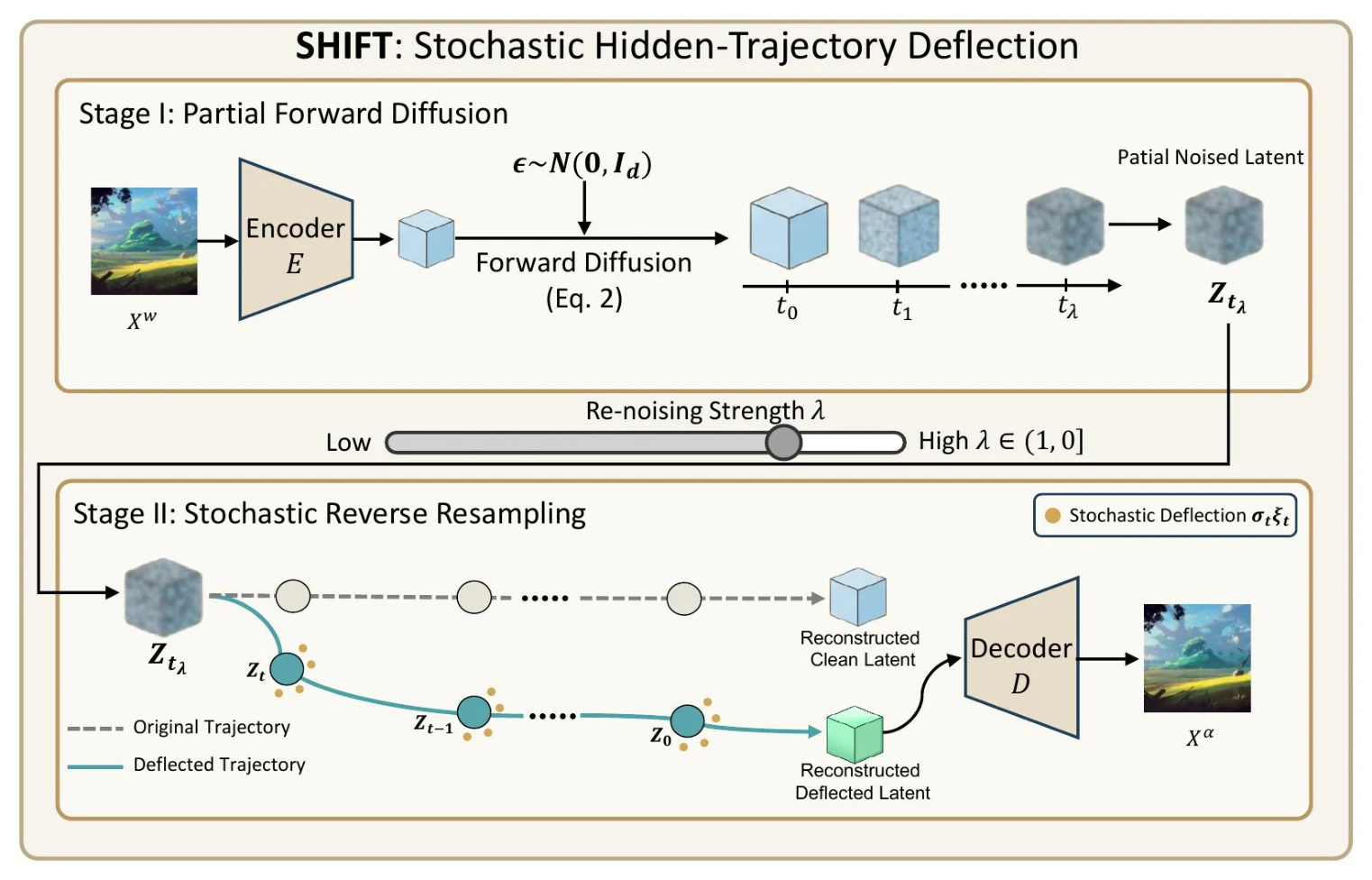
Figure 1 of the paper. The overall framework of SHIFT. -
LAVA
A layered audio-visual watermark that finds a deepfake and the moment it was cut in.
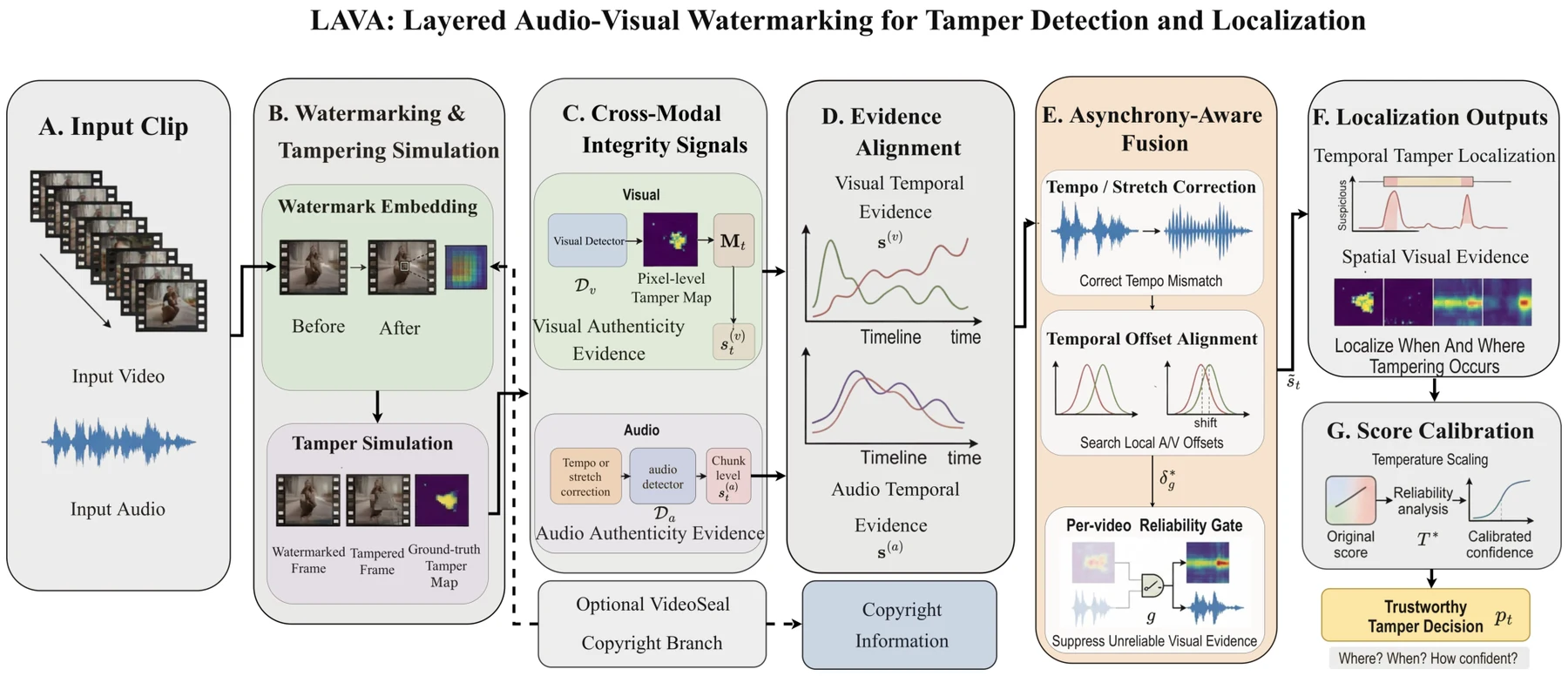
Figure 1 of the paper. Overview of the LAVA pipeline. -
TRACE
Two channels sign an LLM agent’s trajectory and still name it after steps are cut.
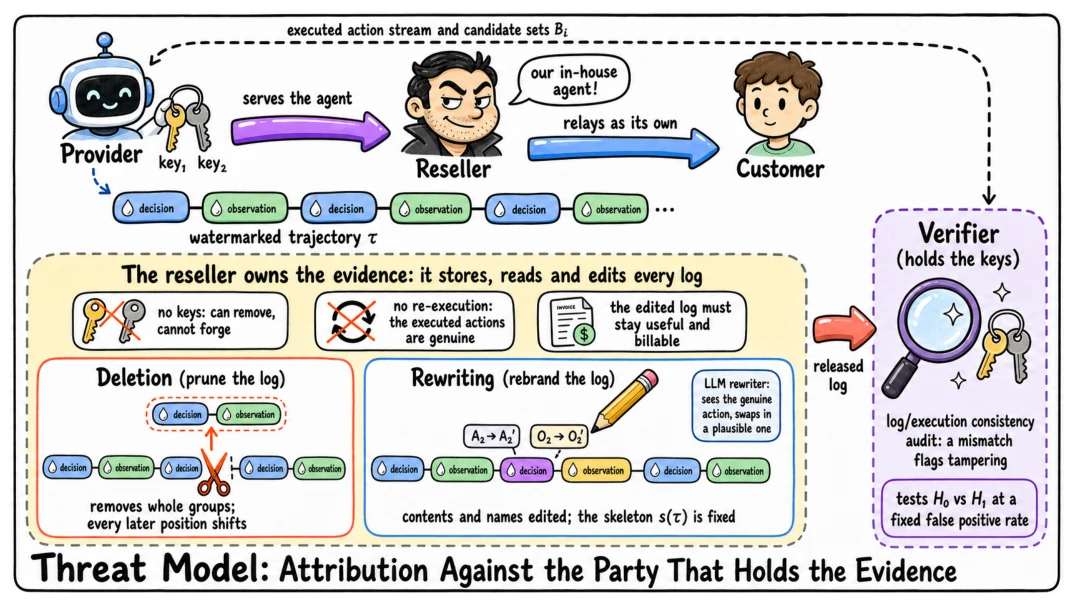
Figure 1 of the paper. The reseller threat model: the adversary owns the evidence it audits.
Publications, accepted
| Paper | Venue | Presentation | Year |
|---|---|---|---|
| Capacity Meters That Change Sign | WACV | 2027 | |
| Quantize Where the Noise Hides | WACV | 2027 | |
| SHIFT | NeurIPS workshop, STODY | Oral | 2026 |
| Sharp Privacy Profiles | NeurIPS workshop, InfPriv | Poster | 2026 |
| How Much Must We Test After an Agent Update? | NeurIPS workshop, CL | Poster | 2026 |
| SLICE | BMVC | Oral | 2026 |
| LAVA | ACM Multimedia | 2026 | |
| BIP | ECCV | 2026 | |
| Breaking Semantic-Aware Watermarks | WWW | 2026 | |
| Conformal Calibration of Co-Visibility Scores | DICTA | 2026 | |
| GSCNet | JVCIR | Journal | 2026 |
| G-RXAD | AICIT | 2024 |
About
- Based in
- Sydney, Australia
- Programme
- M.Phil., Computer Science and Engineering, UNSW
- Advisor
- Dr Jiaojiao Jiang, Senior Lecturer and ARC DECRA Fellow
Before UNSW I studied data science at City University of Macau, where I published my first paper, on attack detection.
Off hours, with Xiaoyu Li, I make AI pictures, short films and a small pixel-art game. They hang in the Playground.
Record
Experience
- Research assistant (casual), UNSW: a watermark benchmarkOct 2026–
- Research assistant, UNSW: TRACE and its demoJul 2026–
- M.Phil. researcher, UNSW Sydney2025–
- Undergraduate researcher, CityU Macau2023–24
Education
- M.Phil., Computer Science and Engineering, UNSW Sydney2025–
- B.Sc., Data Science, CityU Macau, GPA 3.59/4.00Sep 2021–Jun 2025
Projects: the TRACE demo (code), a Tech4HSE project with CSIRO’s Data61 and UNSW; the CSI Attack site (code); Baton, a multi-account dispatcher for Claude Code (code). Recent news.
Write to me about watermarking, provenance, or the security of AI agents.
zheng.gao1@unsw.edu.auUNSW Sydney, Kensington NSW, Australia